Cowboy Gnome Clipart: A Designer’s Honest Take for Real Projects
As a designer who regularly evaluates embroidery graphics for both personal and commercial use, I recently had the chance to work with Cowboy Gnome Clipart. This design caught my eye not just because of its whimsical charm, but also because it offers something unique in the world of machine embroidery — a character that feels both playful and oddly rugged. In this review, I’ll walk through how this clipart holds up when applied to real-world projects, what to watch out for, and where it shines brightest.
First Impressions and Design Personality
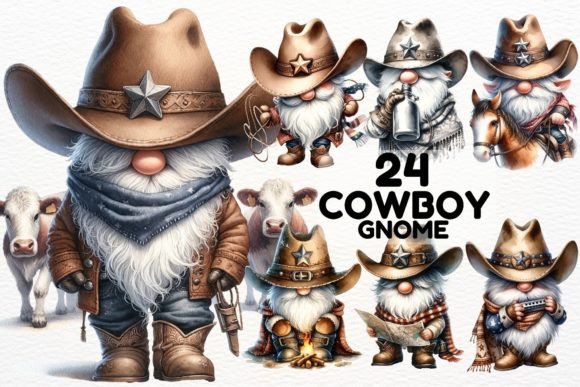
The Cowboy Gnome Clipart brings an unexpected blend of humor and nostalgia. The gnome is depicted with a wide-brimmed hat, boots, and a little mustache, all rendered in clean lines and bold outlines. It’s a character that doesn’t take itself too seriously, which makes it perfect for lighthearted or themed products like holiday gifts, children's apparel, or boutique branding. The visual personality is quirky yet approachable, and it has that “look at me” quality that can turn heads in an Etsy listing or craft fair booth.
What stands out immediately is the attention to detail. Despite being a digital graphic, the proportions are balanced, and the silhouette feels natural. The transparent background and 300 dpi resolution make it easy to incorporate into various layouts without losing clarity — a big plus for those who want to resize it for different hoop sizes or backgrounds.
Real-Life Embroidery Use Cases
I tested the Cowboy Gnome Clipart on a few common handmade items to see how it performs under actual stitching conditions. Here’s how it held up:
- Custom Apparel: When stitched onto a cotton sweatshirt using satin stitch around the outline and fill stitch for the inner details, the design was vibrant and well-defined. The character looked great from a distance and still retained enough detail up close to be engaging.
- Tote Bag Design: On a linen/cotton blend tote bag, the clipart worked beautifully as a central motif. Its size and shape were ideal for a mid-sized hoop, and the colors stood out against the natural fabric. It added personality to a simple item, making it feel more like a custom piece than mass-produced merchandise.
- Embroidered Patch: I converted the design into an applique format and stitched it onto a felt patch. The result was a charming accessory that could easily be sewn onto denim jackets, backpacks, or even used in scrapbooking. The lack of SVG compatibility didn’t hinder this process, though it did require careful handling of overlapping elements and shadows.
- Baby Embroidery: The gnome’s gentle features made it a soft and fun choice for baby clothes or nursery decor. Stitched onto a onesie using a light-weight stabilizer, it maintained its shape and didn’t distort during washing tests.
- Holiday Gifts: For a personalized gift, like a tea towel or pillow cover, the clipart brought a festive touch with a twist. It wasn’t your typical Santa or snowman — instead, it offered a fresh angle on holiday cheer that resonated well with customers looking for unique, hand-stitched presents.
Where to Use It Carefully
While the Cowboy Gnome Clipart is versatile, there are a few areas where it might not perform as well. As an experienced embroiderer, I always look for potential pitfalls, and here are some things to consider before stitching:
- Small Hoop Sizes: The design is detailed enough that shrinking it down for a tiny hoop (like a cap or small patch) could lose key visual elements. Always test the scale on scrap fabric first.
- Textured or Stretchy Fabrics: The intricate lines may struggle to hold their shape on stretchy knits or coarse textiles like canvas. Be sure to use appropriate stabilizers and adjust stitch density accordingly.
- Dark Fabric Backgrounds: The thread color contrast is important here. If you plan to use the design on darker materials, double-check the thread palette and consider switching to lighter shades for better visibility.
- Curved Surfaces: Because the design is flat and symmetrical, it might not wrap well around curved surfaces like caps or round patches. You’ll need to manually adjust the placement or reshape parts of the design to maintain visual integrity.
- Frequent Washing: While the design is stable on medium-weight fabrics, frequent laundering can cause slight fading or distortion, especially if lower-quality threads are used. Recommend high-quality embroidery threads for long-lasting results.
Design Impact and Branding Value
One of the biggest strengths of the Cowboy Gnome Clipart is its ability to stand out while remaining subtle enough to complement other design elements. Whether used as a standalone graphic or part of a larger layout, it adds a sense of warmth and creativity. This is particularly valuable for Etsy sellers and craft business owners who rely on visual appeal to attract buyers.
In terms of stitching clarity, the design handles well with standard digitizing techniques. However, due to the shadowing and layering effects inherent in PNG files, converting it for embroidery may require extra care. Shadows don’t translate directly into embroidery files, so they either need to be simplified or omitted unless you're going for a specific effect.
From a brand consistency standpoint, the gnome works best for businesses with a creative, casual, or nostalgic vibe. It wouldn’t suit a formal corporate line, but it could be a hit in a boutique selling cozy, handcrafted home goods or kids’ wear.
Professional Tips for Using Cowboy Gnome Clipart
Before you start stitching, keep these practical tips in mind to ensure the best outcome for your embroidery project:
- Test on Scrap Fabric: Always try the design on a similar material before committing to a final product. This helps identify any issues with stitch tension, fabric pucker, or color blending.
- Review Stitch Density: Since the design includes multiple layers and shading, the stitch density may vary. Adjust it to avoid overstuffing delicate areas or under-stitching dense ones.
- Confirm Hoop Size: Make sure the design fits within the hoop you plan to use. Resizing it improperly can affect the visual balance and stitching quality.
- Inspect Small Details: The mustache, hat brim, and boots have fine lines that might get lost if not properly highlighted with contrasting thread colors.
- Check Thread Color Contrast: Especially if you’re working with dark or patterned fabrics, choose thread colors that will pop and maintain the design’s visibility.
- Use Proper Stabilizer: A good stabilizer is crucial for maintaining the design’s shape and preventing distortion during the stitching process.
- Confirm Licensing Before Selling: As a print template and graphics file, always check whether you’re allowed to sell finished products or digital assets based on the licensing agreement. This is vital for commercial embroidery and digital product sellers.
Final Thoughts for Creative Entrepreneurs
The Cowboy Gnome Clipart is a solid addition to your design assets library if you’re targeting playful, whimsical themes. It’s especially suited for sweatshirt embroidery, tote bags, or handmade gifts where personality matters. But remember, it’s not a one-size-fits-all solution. Think about the fabric, the thread, and the intended audience before jumping into production.
For small shop product lines or personalized gifts, this design can elevate the perceived value of your items. Customers love recognizable characters with a twist, and the gnome’s cowboy theme gives it that extra oomph. Just be mindful of the limitations — no SVG means less flexibility in separating elements, and shadows can complicate the embroidery process if not handled carefully.
If you’re looking to add a touch of humor and charm to your next machine embroidery design, the Cowboy Gnome Clipart is worth considering. With the right preparation and adjustments, it can become a standout feature in your finished product lineup — whether it’s for a customer order, a seasonal collection, or a new printable mockup for your online store.