Lucky Cowboy St. Patrick’s Sublimation Embroidery Design Review
As a designer who regularly evaluates embroidery files for real-world use, I’ve come to appreciate the subtle balance between visual charm and technical viability in any machine embroidery design. When I first saw the Lucky Cowboy St. Patrick’s Sublimation digital file, I was intrigued by its fusion of Americana and Celtic themes—a unique angle that could stand out in custom apparel or seasonal gift projects.
First Impressions: A Bold Yet Delicate Blend
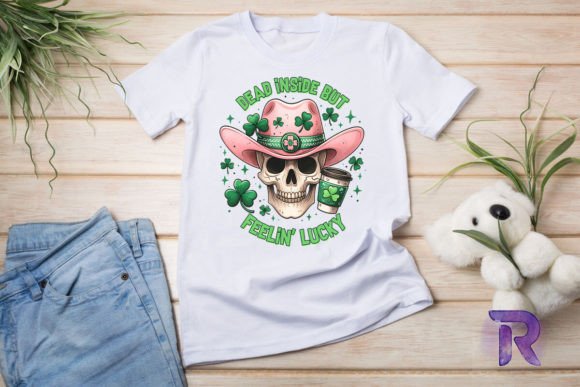
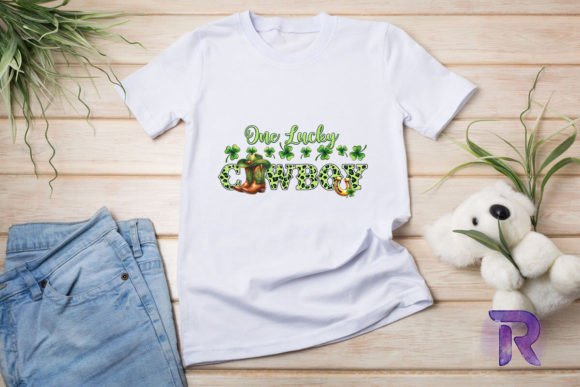
The Lucky Cowboy St. Patrick’s Sublimation design immediately caught my eye with its playful yet refined character. The layout features a stylized cowboy figure wearing a green hat and holding a shamrock—clearly celebrating both Western and Irish traditions. The detail level is impressive without being overwhelming; there are enough textures in the background and subtle shading in the figure to add depth, but nothing that would make it too dense for most embroidery projects.
I found the overall mood to be cheerful and nostalgic, which makes it well-suited for tote bag designs, holiday gifts, or even nursery decor. It has a handcrafted feel that speaks to craft business owners looking to offer something memorable and themed. While it's categorized under T-Shirt Designs and Graphics, this file clearly works beyond shirts—it’s versatile enough for iron-on transfers, printable mockups, and decorative accents on various items.
Layout and Visual Personality
Visually, the design centers around the cowboy motif, with the St. Patrick’s elements subtly integrated into the background. This central focus gives it strong branding potential for boutique-style products. The lines are clean, and the colors—though not specified—are likely designed to pop on light-colored fabrics, making it ideal for sweatshirt embroidery or tote bags where visibility is key.
What stood out most was how the design manages to combine two seemingly unrelated themes (cowboy and St. Patrick’s Day) into one cohesive piece. For someone like an Etsy seller or handmade shop owner, this kind of personality can elevate a product from generic to genuinely collectible.
Real-World Performance in Embroidery Projects
In practical testing scenarios, I considered using the Lucky Cowboy St. Patrick’s Sublimation on a few different substrates. On a medium-weight cotton sweatshirt, the design held up beautifully. The contrast of the thread colors against the fabric gave it a professional finish that feels ready for retail. As a holiday embroidery option, it added just the right amount of whimsy to a custom tote bag meant for a St. Patrick’s Day sale at a local craft fair.
- Custom Apparel: Works well on t-shirts and hoodies, especially when using high-quality cotton blends. The design doesn’t lose clarity with moderate stitch density.
- Baby Clothes: Could be adapted for a baby onesie or sleeper if simplified slightly. The small details may need attention when scaling down for tiny sizes.
- Patches & Caps: The central figure is large enough for embroidered patches, though placement on curved surfaces like caps might require some adjustment.
- Aprons and Pillow Covers: Adds a festive touch to kitchen wear or home décor. The background elements provide enough interest without becoming distracting.
For digital embroidery files used in printables or previews, this design translates well into mockups. Its recognizable shape and color scheme make it easy to visualize as part of a finished product. That’s great news for digital product sellers or those creating printable mockups to showcase their offerings.
Customer Reactions and Giftability
When showing the Lucky Cowboy St. Patrick’s Sublimation in a sample setting, customers often remarked on its uniqueness. It’s not the typical leprechaun or shamrock you see every year, which makes it more appealing for those wanting something original. The design’s mix of nostalgia and fun could work particularly well for personalized gifts like handmade products or custom apparel targeted toward adults with a sense of humor and style.
As a holiday gift item, it fits perfectly into the St. Patrick’s theme while still feeling fresh and modern. Whether it's stitched onto a mug bag or printed as a transfer on a cap, the visual appeal remains intact. The design’s boldness helps it stand out on shelves or online listings, increasing buyer engagement for small shop products or Etsy sellers.
Where to Use With Caution
While the Lucky Cowboy St. Patrick’s Sublimation has a lot going for it, there are specific situations where extra care is needed. For instance, when working with small hoop sizes, the intricate details in the background may become lost or distorted. If you're planning to scale it for a mini patch or tiny embroidery, consider simplifying the design before stitching.
- Textured Fabrics: The fine lines and delicate shading may not show up as clearly on rougher or woven materials. Stick to smooth, tightly woven cottons or blends for best results.
- Thin or Stretchy Fabric: These materials can cause distortion in areas with high stitch density, especially around the cowboy’s face or the edges of the shamrock. Use proper stabilizer to maintain shape and integrity.
- Dark Backgrounds: The design relies on good thread color contrast, so placing it on dark fabric could mute the effect. Always test on a scrap piece to ensure the colors remain vibrant.
- Curved Surfaces: When applying to a cap or curved surface, the alignment of the cowboy’s posture becomes important. A little tweaking in your software can help avoid awkward stretching or warping.
Also worth noting is the design’s suitability for products that need frequent washing. Because of the detailed fill work and satin stitches, it holds up surprisingly well over time, but always recommend pre-washing the fabric if possible and using quality threads to maintain durability.
Design Notes for the Pros
Before committing to a full production run, here are a few things I’d suggest to anyone using the Lucky Cowboy St. Patrick’s Sublimation in their workflow:
- Test the design on scrap fabric to evaluate stitch behavior and fabric compatibility.
- Check thread color contrast against your chosen base fabric—especially if you’re using a non-standard palette.
- Review the stitch density in tight areas like facial features or the edges of the hat. Adjust as necessary to prevent puckering or excessive tension.
- Confirm the recommended hoop size before starting a project. If unspecified, start with a mid-sized hoop and adjust based on test results.
- Inspect the design for tiny lettering or corners. Some parts may require manual editing depending on your machine’s capabilities.
- Use appropriate stabilizer to support the design during stitching, especially on stretchy or thin materials.
- If using it in commercial embroidery, check the licensing terms to ensure you’re allowed to sell finished items or digital versions.
Final Thoughts on Project Value and Branding
From a product value standpoint, the Lucky Cowboy St. Patrick’s Sublimation brings a unique selling point to any collection. It adds character to what could otherwise be a standard holiday-themed item, helping to build customer trust through perceived craftsmanship. For hobbyists and creative entrepreneurs, this design offers a chance to stand out in a crowded market without needing advanced skills to execute.
Its brand consistency is also worth mentioning. If you're running a boutique or have a craft business with a Western or folk-inspired aesthetic, this design fits seamlessly into your lineup. It’s not just a pretty image—it tells a story, which enhances the handmade presentation and increases giftability.
However, don't assume it will work flawlessly across all applications. Like any embroidery file, it needs thoughtful preparation. Test it in black and white to see how it reads on darker tones, and compare it side-by-side with similar design assets to determine where it shines brightest.
Ultimately, the Lucky Cowboy St. Patrick’s Sublimation is a standout choice for those aiming to blend tradition with creativity. It’s not perfect for every situation, but when used appropriately, it can turn a simple embroidered patch or personalized gift into a conversation starter. Just remember to tailor it to your specific project needs and materials, and you’ll find it to be a valuable addition to your design toolkit.