Cowboy Clipart Silhouettes for Real Embroidery Projects
As an experienced designer and embroidery product reviewer, I’ve evaluated countless machine embroidery designs, but the Cowboy Clipart Silhouettes caught my attention in a unique way. These illustrations offer a bold, minimalist aesthetic that feels instantly nostalgic yet modern enough to fit into a variety of creative projects. With 60 files packed across multiple formats—Ai, EPS, SVG, DXF, PNG, and JPEG—the versatility is clear. But what really matters is how these graphics perform when stitched onto fabric. Let’s take a closer look from a practical perspective.
First Impressions: Bold and Timeless Visual Personality
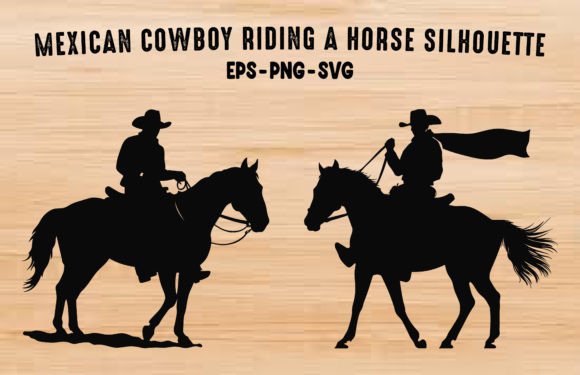
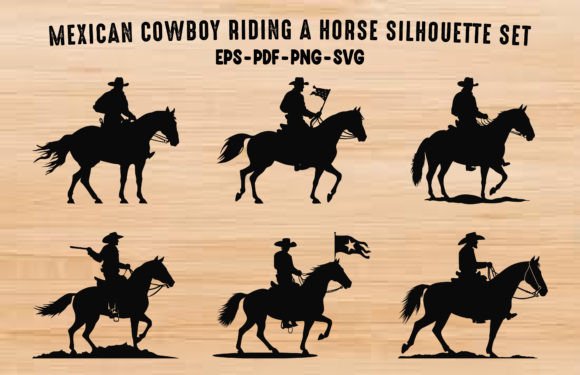
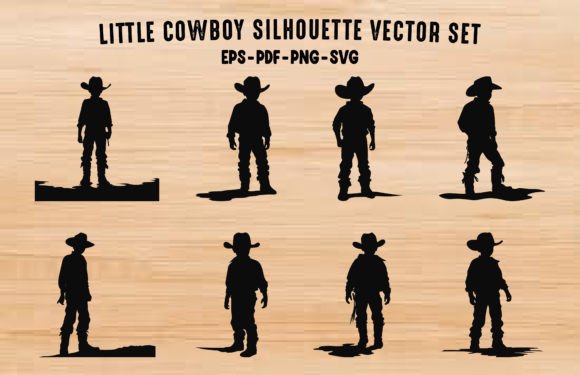
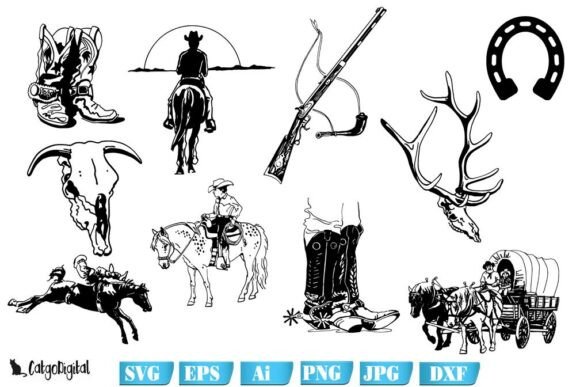
The first thing I noticed about Cowboy Clipart Silhouettes is their strong visual character. The silhouettes are clean, well-proportioned, and have a storybook feel that immediately suggests Western themes. Whether it's a lone rider on the horizon or a group of cowboys under a sunset, the design layout invites creativity without overwhelming the eye. The level of detail is just right—enough to convey emotion and motion, but not so intricate that they become hard to stitch clearly.
These illustrations are ideal for handmade products like custom apparel, tote bags, or even nursery decor. They work especially well as applique designs, where the contrast between the silhouette and background fabric can create striking visual interest. As someone who regularly works with both hobbyists and commercial clients, I appreciate the balance between simplicity and expressive form in these graphics.
Stitch Clarity and Design Performance
In real-life embroidery scenarios, the clarity of each silhouette becomes crucial. When using satin stitch or running stitch techniques, the lines of these cowboy images hold up surprisingly well. Their shapes are solid and defined, which makes them suitable for a wide range of applications—from a personalized gift to a small shop merchandise item.
- Custom Apparel: On sweatshirts or t-shirts, the silhouettes add a touch of Americana without being too flashy. They’re great for creating subtle branding or themed collections for events like rodeos or Western-themed parties.
- Tote Bag Design: The larger format of some files makes them perfect for tote bags. Stitching a cowboy figure along one side gives a rustic charm that appeals to buyers looking for meaningful or memorable gifts.
- Baby Clothes & Nursery Decor: For a softer approach, the silhouettes can be adapted with lighter thread colors and less dense stitching. A cowboy silhouette on a baby sleeper or a pillow cover adds a playful yet elegant touch.
- Patches and Caps: Smaller versions of the designs function beautifully as embroidered patches or cap emblems. Just be mindful of hoop size and stitch density, especially if you're working on curved surfaces or thin materials.
Where to Use with Care
While the Cowboy Clipart Silhouettes are versatile, there are certain situations where you should tread carefully. Here are a few key considerations:
- Small Hoop Sizes: If you're planning to use these on tiny items like earrings or mini patches, you may need to scale down the design. This could affect stitch clarity, so always test the scaled version on scrap fabric first.
- Textured Fabrics: Textured materials like denim or canvas can cause stitch distortion. You’ll want to use the right stabilizer and possibly simplify the design before proceeding.
- Thin or Stretchy Fabric: Thin cotton or stretchy knits may struggle with high-density stitches. Opt for lighter coverage or adjust your stitch types accordingly.
- Dark Backgrounds: Since many of the PNG and JPEG files come in black or dark tones, testing the design on a light-colored fabric will help ensure visibility. Consider using white or cream thread for better contrast.
- Products That Need Frequent Washing: Dense stitch areas may pucker over time. For items like aprons or kitchen towels, review the stitch density and consider using a washable stabilizer.
Visual Appeal and Customer Reaction
What I love most about these silhouettes is their universal appeal. They don’t shout “Western,” but they whisper it just enough to evoke a sense of adventure and nostalgia. As an Etsy seller or craft business owner, this kind of subtlety can go a long way in making your products stand out. Customers often respond positively to designs that carry a theme without being overly literal—these silhouettes fall right into that sweet spot.
When used thoughtfully, the embroidery file can elevate the perceived value of a product. A simple tote bag with a well-placed cowboy silhouette suddenly feels like a curated piece rather than a mass-produced item. This kind of handmade presentation builds customer trust and enhances buyer engagement.
Design Notes for the Practical Embroidery Designer
Here are a few tips based on my experience when incorporating these illustrations into real-world projects:
- Test on Scrap Fabric: Always run a sample stitch before applying the design to your final product. This helps catch any issues with scale or fabric compatibility early.
- Check Thread Color Contrast: Even though the original files might be in black, different thread colors will change the appearance. Test a few combinations to find the best match for your fabric.
- Review Stitch Density: Some areas of the design may require adjustment if you're working with delicate or stretchy materials. Don’t assume the default settings will always work perfectly.
- Confirm Hoop Size: Depending on the file, you may need a hoop larger than expected. Make sure to check each design individually if you're scaling or modifying it.
- Inspect Small Details: While the overall shape is bold, smaller elements like facial features or horse outlines should be checked for accuracy and stitch integrity.
- Use Proper Stabilizer: Especially for lightweight fabrics or curved surfaces, a good stabilizer is essential to prevent puckering and maintain shape.
- Test in Black and White: Before finalizing thread choices, print a printable mockup in grayscale to see how the design translates visually.
- Compare Light and Dark Backgrounds: Not all fabrics are created equal. How the silhouette looks on a white shirt versus a navy sweatshirt can vary significantly.
- Confirm Licensing: If you plan to sell finished products or digital assets, make sure the license allows for commercial use. Without proper permissions, you risk legal complications later on.
Best Uses for Cowboy Clipart Silhouettes
These graphics shine brightest in specific contexts. Here are a few standout applications:
- Embroidered Patches: Perfect for adding a rugged, vintage flair to jackets, backpacks, or denim.
- Sweatshirt Embroidery: The bold lines of the silhouettes pop against soft fleece or cotton-blend sweaters.
- Holiday Embroidery: Think Fourth of July, Christmas in the West, or New Year’s eve with a cowboy twist. The timeless nature of the designs makes them adaptable for seasonal themes.
- Gift Packaging and Tags: Use the PNG files with transparent backgrounds to create digital packaging labels or printable tags for handmade items.
- Commercial Embroidery Projects: These files are scalable and professional-looking, making them a good choice for boutique branding or small shop product lines.
Final Thoughts: A Versatile Addition to Your Embroidery Kit
The Cowboy Clipart Silhouettes aren’t just another set of clipart—they’re a collection of design assets that bring personality and purpose to a wide range of embroidery projects. Whether you're a creative entrepreneur building a line of Western-themed apparel or a handmade shop owner crafting personalized gifts, these silhouettes provide a foundation for thoughtful, stylish work.
But like any digital embroidery file, they require a bit of attention to detail. Take the time to understand how they behave on different materials and in various applications. With the right adjustments, they can become a staple in your design portfolio, helping you deliver products that feel both authentic and professionally made.
If you're considering adding these to your next project, remember to prioritize brand consistency and product recognition. The right placement and color choices can transform a basic garment into something truly special. Just keep in mind the limitations—especially with small-scale items—and you'll be well on your way to creating successful, giftable products that customers will love.