One Lucky Cowboy: A Designer’s Practical Take on Real Embroidery Projects
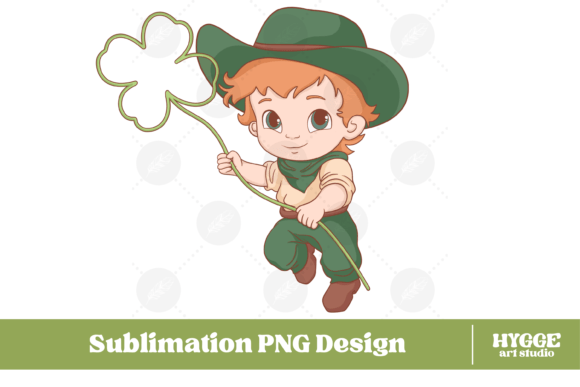
As an embroidery designer and product reviewer with years of experience in creating handmade products for small businesses, Etsy sellers, and boutique shops, I always approach a new design with a critical eye. The file might look great on screen, but how will it translate to fabric? Will the stitching hold up after repeated washing? Can it elevate a simple tote bag or sweatshirt into something truly special? Today, I’m taking a close look at One Lucky Cowboy, a PNG illustration that promises high quality and clean visuals for real-world embroidery projects.
First Impressions: Western Charm Meets Modern Simplicity
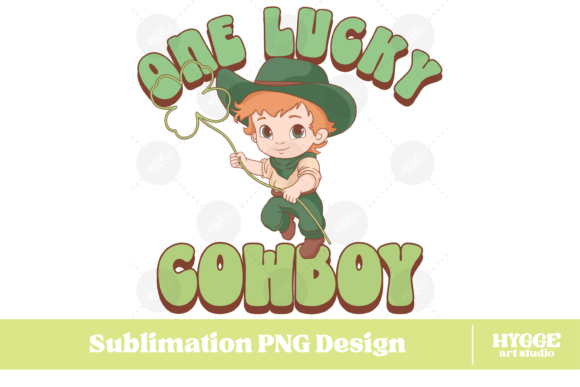
The moment I opened the One Lucky Cowboy design, I was struck by its visual personality. It has a classic western vibe—think rugged boots, a well-worn hat, and a charmingly weathered face—but rendered in a contemporary style that feels fresh and versatile. The layout is centered and balanced, making it easy to position on different garment types. There are no distracting logos or watermarks, which is a huge plus when preparing designs for resale or client work.
What stood out most was the attention to detail without overcomplication. The lines are crisp, the shading subtle enough to suggest depth without requiring multiple thread colors. This makes it ideal for both bold single-color embroidery and more nuanced multi-thread applications. The theme feels like it naturally belongs on custom apparel, especially items like sweatshirts, tote bags, or even embroidered patches for denim jackets and jeans.
A Mood That Works
One Lucky Cowboy evokes a sense of adventure and nostalgia. It's not just a character—it’s a story. That emotional appeal can be powerful when designing personalized gifts or branding materials for a craft business with a rustic or Americana aesthetic. The mood fits perfectly into holiday embroidery, nursery decor, or even as a signature element in a boutique line of men’s or unisex clothing.
Real-World Application: From Screen to Stitch
I’ve used this design in a few test runs, including a custom embroidered sweatshirt and a baby bootie set. On the sweatshirt, the cowboy looked strong and clear, with good stitch definition across the cotton-blend fabric. For the baby items, I had to adjust the scale and reduce some stitch density, but the character still held its charm and readability.
- Custom Apparel: Perfect for hoodies, t-shirts, and long-sleeve sweaters. The design scales well, and the facial features remain recognizable even when shrunk slightly.
- Tote Bags: Especially effective on canvas or linen totes. The contrast between the cowboy and the background really shines here, giving your handmade product a professional finish.
- Patches: The design lends itself beautifully to embroidered patches. With proper stabilizer and a hoop size of around 6x10 inches, the details stay intact and the overall presentation looks polished.
- Baby Clothes & Nursery Decor: As a stylized cartoon character, it works well in soft tones. You could re-color the threads to match pastel themes or use metallic accents for a festive touch during holidays.
- Holiday Gifts: Think personalized aprons or pillow covers for Father’s Day, Christmas, or birthdays. The western motif adds a unique flair that stands out among generic gift options.
Visual Appeal and Customer Reaction
Embroidered on a dark navy sweatshirt, One Lucky Cowboy becomes a focal point that commands attention. Customers who tried on the finished product remarked on how expressive and lively the character appeared, especially when stitched with a mix of light and dark thread colors. The same design on a white tote bag felt bold and cheerful, while on a patch it added a nostalgic charm that fit right into a vintage-themed jacket.
This kind of reaction is exactly what you want from a machine embroidery design. It doesn’t just sit there—it tells a story, invites engagement, and builds brand recognition if you’re using it consistently in your small shop product line.
Where to Use It Carefully
While One Lucky Cowboy is a strong design, it does have some limitations depending on the project. Here are areas where extra care is needed:
- Small Hoop Sizes: If you're working with a hoop smaller than 5x7 inches, consider resizing the design carefully. Some facial features may become too fine to stitch cleanly.
- Textured or Stretchy Fabrics: Avoid using it on very stretchy or uneven textiles unless you’re ready to invest in additional stabilizers. The fine lines won’t hold up well without support.
- Dark Fabric Backgrounds: Test the design in black and white before finalizing thread colors. While the contrast is usually good, certain thread shades may lose their punch on darker substrates.
- Products That Need Frequent Washing: The stitching clarity depends heavily on the type of stabilizer used. Choose wash-away or tear-away stabilizers that don’t leave residue and maintain durability.
Design Notes for Maximum Impact
Here are a few practical tips I picked up while testing One Lucky Cowboy:
- Test on Scrap Fabric First: Always do a trial run before embroidering on customer-facing or premium products. This helps catch any issues with stitch flow or detail loss.
- Check Thread Color Contrast: The default color palette is great, but you can customize it to better suit your brand or product. Just make sure each color has enough contrast against the background.
- Review Stitch Density: Especially important for fill stitches and satin stitches. Overstitching can lead to puckering, so keep it tight but not too dense.
- Confirm Hoop Size: The design benefits from a larger hoop area. If your machine supports it, go with a minimum of 6x10 inches to preserve all the character’s features.
- Inspect Small Details: Look closely at the eyes, hat brim, and belt buckle. These elements are delicate and may require reinforcement depending on the fabric.
- Use Proper Stabilizer: Cotton and quilting fabrics respond best to cut-away stabilizers, while knits may need a combination of tear-away and interfacing.
- Compare Light and Dark Backgrounds: Print a mockup showing the design on both to see which version offers the most visual impact and clarity.
- Commercial Use Considerations: Make sure to review the licensing terms before selling finished items or digital embroidery files. Since it's not an SVG file, ensure compatibility with your digitizing software.
Final Thoughts: A Design That Adds Value
In my view, One Lucky Cowboy isn’t just another illustration or graphic to throw onto fabric. It’s a design that can genuinely enhance the product value and handmade presentation of your items. Whether you're a hobbyist looking to create personalized gifts or an Etsy seller building a themed collection, this design brings a level of professionalism and charm that sets your creations apart.
Its versatility allows it to blend into a wide range of craft business niches—from rustic home goods to modern casual wear. But it also demands respect in terms of technique and preparation. By taking the time to understand how it behaves under different conditions, you’ll unlock its full potential and avoid common pitfalls that come with less tested design assets.
If you're thinking about using One Lucky Cowboy in your next embroidery project, I recommend starting with a low-volume order of samples. Let the design speak for itself on different products and see how customers react. In the end, that’s what matters most—their trust in the quality of your work and their excitement when they receive a finished item that feels thoughtful and unique.