Cowboy Goose Character Illustration Review: Real Project Use
As an embroidery designer who’s spent years evaluating digital graphics for real-world application, I always approach a new design with both curiosity and caution. The Cowboy Goose Character Illustration caught my eye not just because of its whimsical charm, but because it has the potential to add personality to a variety of handmade and commercial projects. Let me walk you through how this illustration holds up when tested for actual use in different embroidery contexts.
First Impressions: Style and Mood
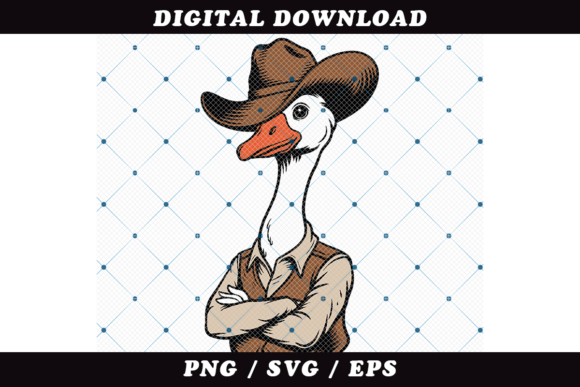
The Cowboy Goose is a standout character with a clear visual identity. Its silhouette is bold yet playful, featuring exaggerated features like a wide-brimmed hat and a confident stance that gives it a western flair. The color palette is warm and inviting—think earthy tones, deep blues, and soft yellows—making it suitable for both casual and decorative items. It’s not too detailed, which is a good sign for embroidery, as overly intricate illustrations can lead to stitch complications or loss of clarity on fabric.
What I immediately noticed was the balance between simplicity and expression. This design doesn’t scream for attention but rather earns it through subtle detail work and a well-defined layout. The mood it creates is lighthearted and fun, which makes it ideal for products aimed at kids, pet lovers, or anyone who appreciates quirky Americana-style art.
Where It Shines
- Tote Bag Design: The Cowboy Goose would look great on a custom tote bag. Its size and shape lend themselves well to being centered on a large canvas-like surface. With proper stabilizer and medium-weight cotton, the stitching should remain crisp and clean.
- Sweatshirt Embroidery: As a front pocket or chest graphic, the illustration adds a touch of humor without overwhelming the garment. The contrast of colors works especially well against light backgrounds, helping the goose pop out naturally.
- Baby Embroidery: For parents looking for something unique but not too edgy, this design could be used on baby bibs, onesies, or even nursery wall art. The friendly face and cartoonish style are gentle enough for young audiences.
- Holiday Embroidery: A holiday-themed version (maybe a festive hat or scarf) could become a popular gift item. The base illustration already has a strong visual presence, so adding seasonal touches would enhance its appeal without complicating the embroidery process.
- Printable Mockups: If you're an Etsy seller or digital product creator, the transparent PNG and EPS file formats make it easy to mock up designs on various surfaces. This helps buyers visualize the final product accurately before purchasing.
When to Proceed with Caution
While the Cowboy Goose Character Illustration is versatile, there are a few scenarios where extra care is needed:
- Small Hoop Sizes: The design has several distinct elements—hat, eyes, feathers—that might get lost if stitched in a small hoop. Always confirm your machine's capabilities and test it first on scrap fabric.
- Textured or Stretchy Fabrics: On flannel or stretchy knits, the stitching may lose some of its definition due to fabric distortion. Stabilizer becomes essential here, and adjusting stitch density could help maintain the illustration’s integrity.
- Dark Fabric Backgrounds: The color contrast might weaken on darker fabrics. Consider using white or light-colored thread combinations to ensure visibility and vibrancy.
- Curved Surfaces: Stitching the goose onto a curved surface like a cap or a patch for a jacket requires careful alignment and possibly adjusting the design for curvature.
Stitch Clarity and Thread Color Contrast
One of the most important aspects of any embroidery design is how it translates into stitches. The Cowboy Goose uses a combination of satin stitch and fill stitch effectively. The outline of the body and hat remains sharp, while the inner details are kept simple enough to avoid over-stitching.
Thread color choices are key here. The original design likely uses a mix of two to three thread colors, depending on the background. As an experienced embroiderer, I recommend reviewing the thread colors in the digital file and comparing them to your intended fabric. If the default colors don't provide enough contrast, swapping them for brighter or more contrasting shades can significantly improve the finished product’s appearance.
Design Notes for Machine Embroidery
- Test First: Always try stitching the design on a scrap piece of your target fabric. This will reveal how the stitch density interacts with the material and whether the design needs tweaking.
- Check Stitch Density: Because of the layered nature of the character (hat, body, wings), ensuring the correct stitch density for each section is crucial to prevent puckering or gaps in coverage.
- Confirm Hoop Size: Although no exact hoop size is listed, I’d suggest starting with a minimum of 5x7 inches to allow room for the entire illustration and seam allowances.
- Inspect Small Details: Look closely at the eyes, mouth, and other facial features. These areas are often the first to show imperfections if the fabric is too thin or the stabilizer isn’t right.
- Use Proper Stabilizer: Especially for delicate or stretchy materials, using a tear-away or cut-away stabilizer beneath the design area will keep the stitches from distorting.
- Test in Black and White: Sometimes, color can mask issues. Converting the design to grayscale in your software and testing it on white fabric will highlight how the contrast plays out.
Visual Appeal and Marketability
From a marketability standpoint, the Cowboy Goose has a lot going for it. Its recognizable form and cheerful attitude make it memorable, which is great for branding and repeat customer engagement. Whether you're making personalized gifts or running a craft business, this illustration can serve as a consistent visual element across your product line.
It also enhances the handmade presentation of any project. The character feels intentionally crafted rather than mass-produced, which appeals to customers who value artisanal quality. As a result, it can increase perceived product value and customer trust in your brand’s attention to detail.
In terms of buyer engagement, the design’s uniqueness sets it apart from standard stock images. It invites conversation and adds character to everyday items, which is why it could work well for boutique branding or Etsy listings focused on novelty and charm.
Commercial Embroidery Considerations
If you plan to use the Cowboy Goose Character Illustration for commercial purposes, such as selling embroidered patches or custom apparel, it’s important to verify licensing information. While the included SVG, PNG, and EPS files are high-quality and suitable for print-on-demand and embroidery applications, you must ensure that the design is permitted for resale and commercial embroidery.
Also, consider how the design fits into your brand aesthetic. Does it align with your existing design assets? Can it be paired with other illustrations or logos? Having these answers upfront ensures a cohesive product lineup and professional presentation.
Final Thoughts for Crafters and Entrepreneurs
The Cowboy Goose is a charming and practical addition to your embroidery toolkit. It brings personality without overcomplicating the stitch process, and its adaptability means you can experiment with placement, scale, and application across a range of products.
However, remember that every fabric and machine behaves differently. Take the time to understand how this machine embroidery design interacts with your materials and tools. Adjustments in thread color, stabilizer type, and stitch settings can all contribute to a better final outcome.
For hobbyists, this design is a joy to work with and perfect for personal or family gifts. For Etsy sellers and small shop owners, it offers a unique opportunity to stand out in a crowded market by creating one-of-a-kind products with a signature look.
Ultimately, the Cowboy Goose Character Illustration is a solid choice for those who want to add a touch of creativity and individuality to their embroidery projects. Just like any good design, it rewards thoughtful application and a bit of hands-on testing before full-scale production.