Cowboy in Training PNG Sublimation: A Design Review for Real Projects
As an embroidery designer and product reviewer with years of experience, I always approach a new digital design with both excitement and caution. Cowboy in Training PNG Sublimation caught my eye not just because of its thematic charm but also for how it balances creativity with practicality. This design is clearly crafted to serve multiple purposes—from custom apparel to printable mockups—but the real test lies in how well it translates into finished products that customers will love.
First Impressions and Visual Personality
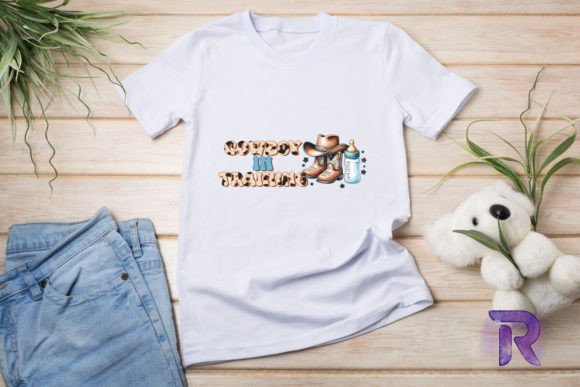
The first thing that stands out about Cowboy in Training is its whimsical yet grounded visual personality. It’s playful without being childish, making it versatile enough for both kids’ items and adult-themed gifts. The layout is clean and centered around a stylized cowboy figure, which immediately suggests it could work well on a tote bag or sweatshirt where a central graphic is desired.
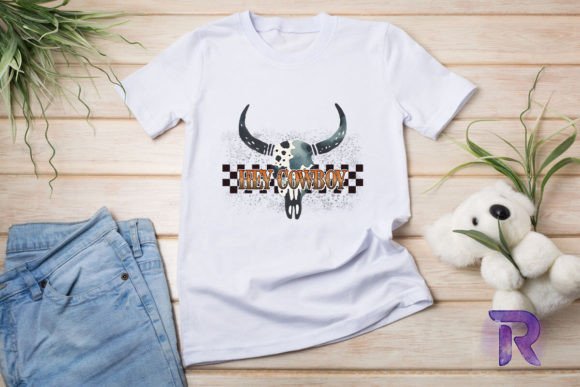
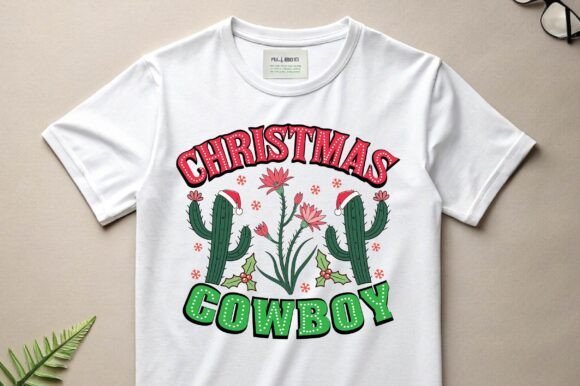
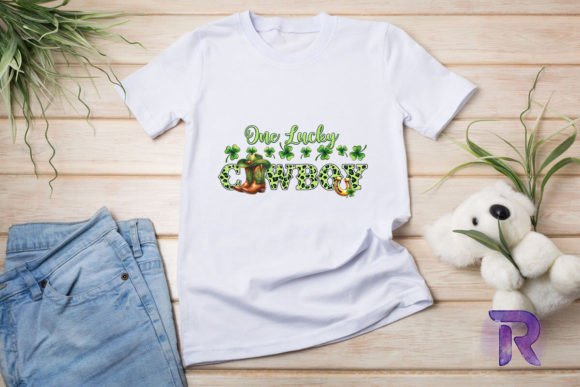
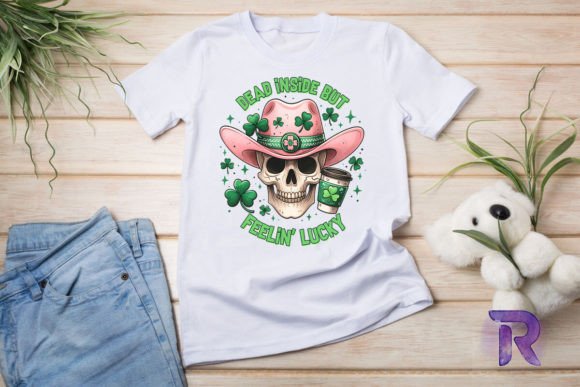
What I appreciate most is the balance between detail and simplicity. There are enough lines and textures to give it character, but nothing overwhelming that would make it hard to stitch cleanly or lose definition on smaller items. The theme feels like it fits naturally into T-Shirt Designs, especially for those targeting niche markets like Western-themed apparel, family businesses, or seasonal merchandise.
Detail Level and Color Considerations
The design uses a limited palette of thread colors, which is great news for budget-conscious crafters and small shop owners. The use of satin stitch along the edges gives it a polished look, while the fill stitch areas add depth and dimension without becoming too heavy. However, as with any multi-colored embroidery file, it's crucial to consider the fabric background when choosing thread shades. Dark fabrics may require more contrast, and if you're working on a light shirt, you might need to adjust your expectations based on how the threads interact with the base color.
I noticed the design has subtle shading and outlines, which can be a bit tricky when translating to monochrome projects. For instance, if you're using it as an applique design in black thread for a holiday gift or personalized item, some details might get lost. Testing it in grayscale before finalizing is definitely worth the time.
Real-Life Use Scenarios
Let’s say you’re preparing a line of custom embroidered tote bags for a local boutique. Cowboy in Training would fit right in—its bold presence and manageable scale mean it can dominate a canvas-style tote without looking cramped. The same goes for sweatshirts; this design adds personality without taking over the garment, which is perfect for casual wear or themed events like a Western festival or fall fair.
For baby items, such as onesies or blankets, the design might be a little too adventurous unless you scale it down. But even then, it retains enough charm to feel appropriate for a young audience. If you’re doing holiday embroidery, imagine using it on a Christmas apron or a personalized mug sleeve—it brings a touch of humor and nostalgia that people often respond to warmly.
Embroidered patches are another area where this design shines. Its clear boundaries and consistent stitch types make it easy to hoop and cut out. Whether you're adding it to a denim jacket or a leather satchel, it maintains its visual appeal and durability, especially if you use a strong stabilizer behind the patch during stitching.
Where to Be Cautious
While Cowboy in Training PNG Sublimation is a solid choice for many projects, there are a few situations where you’ll want to proceed carefully:
- Small hoop sizes: The design isn’t compact, so scaling it down too much can lead to loss of clarity and increased risk of distortion.
- Textured fabrics: On flannel, corduroy, or similar materials, the stitch density might need adjustment to avoid puckering or uneven coverage.
- Thin or stretchy fabric: These materials can cause the design to shift slightly during stitching, affecting alignment and overall quality.
- Dark fabric backgrounds: Without sufficient thread contrast, the design may not pop visually. You might need to rethink thread choices or layering techniques.
- Curved surfaces like caps or hats: The flat nature of the design doesn’t wrap well, so expect some flattening or misalignment unless you break it into segments.
Also, watch out for dense stitch areas. While they look good on cotton t-shirts, they can become stiff or uncomfortable on garments meant for daily wear. Always test on scrap fabric first and inspect corners and fine details after stitching.
Impact on Product Value and Customer Engagement
This design elevates the visual appeal of any project it's applied to. It’s not just a graphic; it’s a statement. When used on a high-quality tote bag or soft cotton sweatshirt, it conveys a sense of craftsmanship and attention to detail. That kind of presentation builds customer trust and increases perceived value, which is essential for Etsy sellers and handmade shop owners.
Its friendly, almost humorous vibe makes it ideal for personalized gifts and nursery decor. Parents often look for designs that tell a story or evoke a memory, and this one does that effortlessly. Plus, it’s easily recognizable—perfect for branding or creating a signature look across small shop products.
In terms of commercial embroidery, the design holds up well for bulk production, provided you have the right equipment and materials. Its structure allows for consistency across multiple items, which is key for maintaining brand identity in a craft business. Just remember to confirm licensing terms if you plan to sell the finished items or offer them as part of your digital product offerings.
Design Notes for Embroidery Professionals
Here are some tips to keep in mind when working with Cowboy in Training:
- Test on scrap fabric before moving to the final piece. Especially if you're planning to use it on a different material than what you typically work with.
- Check thread color contrast against the fabric. Sometimes a slight change in hue can dramatically affect how the design reads.
- Review stitch density settings. Too tight, and the fabric might pucker; too loose, and the design could appear unfinished.
- Confirm the recommended hoop size. If the design is larger than expected, you might need to split it or choose a bigger hoop.
- Inspect small details like facial expressions or belt buckles. These are the elements that make the design memorable, and they shouldn’t get lost in translation.
- Try a black and white mockup to see how it performs as a single-color applique. This is especially useful for minimalist collections or for checking if it works on dark bases.
- Compare how it looks on both light and dark fabric backgrounds. This helps you understand the full range of visual impact and decide on best-use scenarios.
- Use the correct stabilizer for the fabric type. Even minor adjustments here can prevent issues like shifting or stretching during the embroidery process.
- Ensure the design is suitable for both personal and commercial projects. If you're selling finished goods, verify all licensing requirements to avoid legal complications later.
Final Thoughts for Makers and Sellers
After testing Cowboy in Training PNG Sublimation on several substrates and under different lighting conditions, I’m confident that it’s a reliable and expressive addition to your embroidery project toolkit. It brings a unique charm to custom apparel and makes a great centerpiece for design assets in printable form or digital previews.
However, don’t let its broad appeal blind you to the specifics of your application. As with any machine embroidery design, success depends on thoughtful preparation and understanding of the materials you're working with. Take the time to review stitch counts (if available), file formats, and compatibility with your embroidery machine. If those aren’t specified by the seller, reach out for clarification before committing to a large batch.
Ultimately, Cowboy in Training is a design that works best when matched with the right project. Used wisely, it can enhance the finished product with warmth, character, and a touch of storytelling—all while helping you stand out in a competitive market. Whether you're crafting for fun or running a craft business, this design deserves a spot in your creative arsenal—if approached with care and consideration.